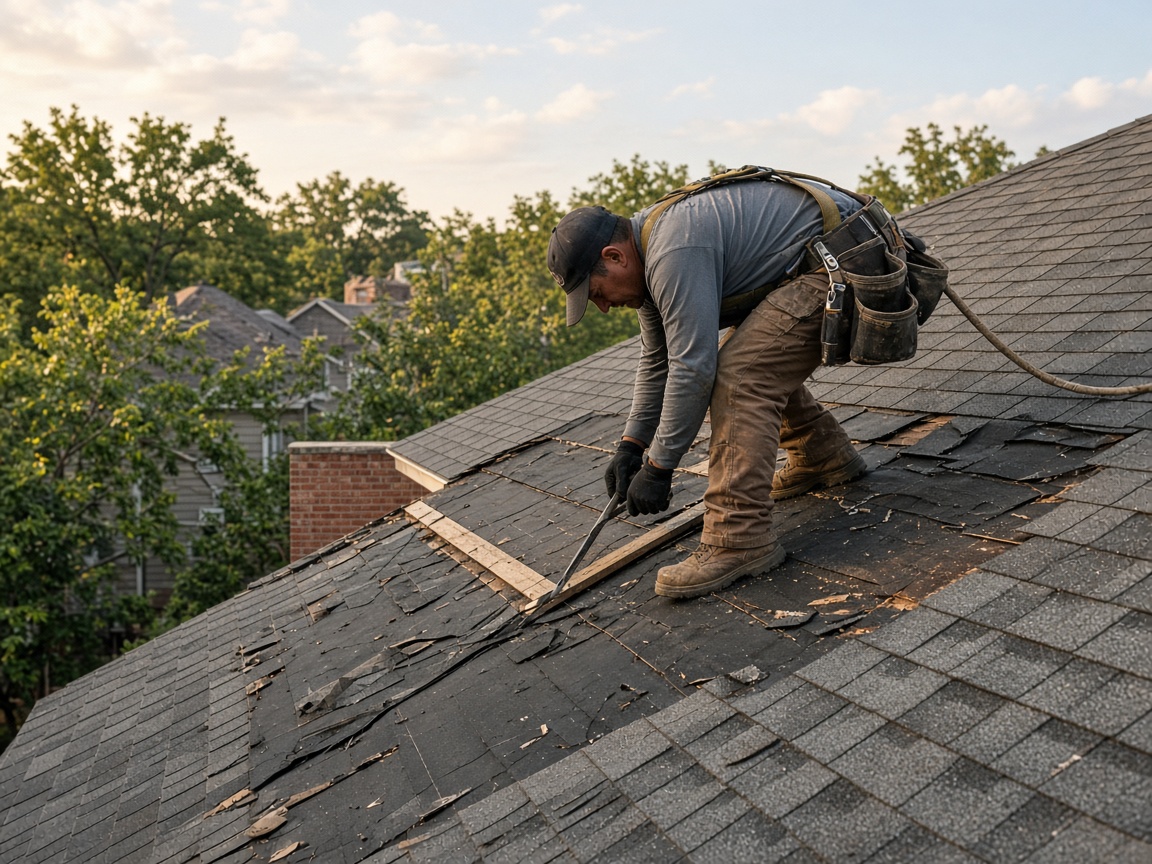
Cultural District roofs face sudden leaks from intense summer storms and the occasional winter front that rolls through Tarrant County. The pros we connect you with know the mix of 1920s bungalows and mid-century homes along streets like Park Place and Crestline that sit close to the museums and often have limited side-yard clearance for equipment. They focus on quick tarping and targeted shingle or flashing work to stop water before it reaches the interior plaster common in these older builds.
Heavy runoff from paved areas around the Will Rogers complex and Trinity Park can push water under eaves during downpours. The pros we connect you with check valley flashing and step flashing first on the steeper pitches found near University Drive and Montgomery Street. They also watch for hail damage that hits the exposed slopes facing west across the district's open museum grounds.
Access along narrow, tree-lined blocks near the Modern Art Museum means crews stage materials on the street and work in smaller lifts. The pros we connect you with carry extra underlayment suited to the humid subtropical cycles that keep roofs damp longer between rains.
Around Cultural District
We regularly work near:
- 📍Kimbell Art Museum
- 📍Modern Art Museum of Fort Worth
- 📍Amon Carter Museum of American Art
- 📍Will Rogers Memorial Center
- 📍Camp Bowie Boulevard
- 📍Trinity Park
Emergency Roof Repair Fort Worth in Cultural District — Local Notes
- •Many Cultural District homes built before 1950 have original clay or concrete tile that cracks under repeated hail and needs matching replacements rather than full swaps.
- •Tight lots between Camp Bowie Blvd and the railroad tracks limit ladder placement, so roof leak repair often starts from the ridge down rather than full staging.
- •West-facing slopes near the Kimbell catch the strongest afternoon sun and wind, accelerating granule loss on asphalt shingles common in the neighborhood.
- •Storm drains along Montgomery Street back up during heavy rain, sending water against foundation walls and under low eaves on single-story cottages.