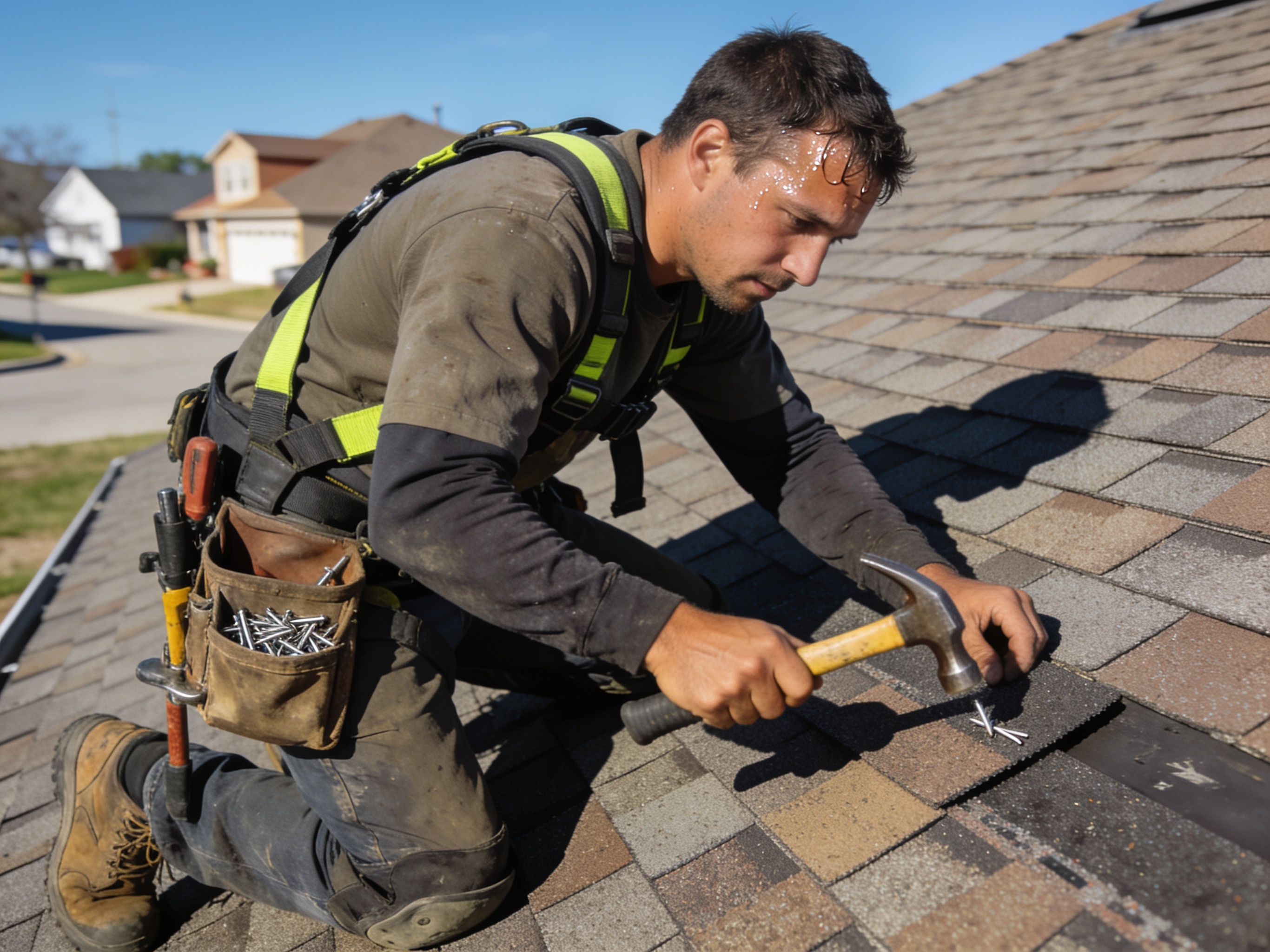
Fort Worth homes in neighborhoods such as Arlington Heights and the Cultural District often feature older roof decks that require careful assessment before new installation. The pros we connect you with evaluate existing sheathing for rot caused by the region's humid subtropical climate, where hot summers accelerate material breakdown and occasional heavy rains test flashing details around chimneys and valleys. Proper underlayment and ventilation choices matter here because trapped moisture from mild winters can lead to premature failure in asphalt or metal systems common on Tarrant County properties.
Installation steps account for local wind patterns and sun exposure near landmarks like the Kimbell Art Museum and Sundance Square. The pros we connect you with remove old layers completely when needed, install ice and water shield in vulnerable low-slope sections, and secure new materials with fasteners rated for Texas heat. They pay close attention to ridge venting to manage attic temperatures that climb rapidly during summer months, reducing stress on shingles or tiles over time.
Edge cases appear frequently in Stockyards and TCU area homes where steep pitches meet mature trees or nearby construction debris. The pros we connect you with check for proper drip edge alignment and counter-flashing integration at walls to prevent water intrusion during sudden downpours. They also verify that new roofing meets current Tarrant County wind and uplift standards without shortcuts that could affect long-term performance in the local climate.
Technician insight
In Fort Worth, the thing that catches most people out with Roof Installation is skipping extra ventilation on older homes in places like Arlington Heights. The humid subtropical summers here trap heat and moisture under the deck fast, and without ridge vents sized right for the attic volume, new shingles blister or fail early even on a solid install.
Arlington Heights Bungalow Roof Replacement
An older bungalow showed widespread granule loss after several hot summers. The pros we connect you with found deteriorated underlayment and blocked soffit vents. They removed the old layers, added proper ridge ventilation, and installed new shingles with updated flashing. The home now manages summer heat and humidity without attic moisture issues.
How it works
- 1
Assessment
The pros we connect you with inspect the existing roof structure, decking, and ventilation in your Fort Worth home to identify any issues before work begins.
- 2
Material Planning
They review options suited to Tarrant County weather, including underlayment and ventilation products that handle summer heat and humidity.
- 3
Removal and Prep
Old roofing is stripped where necessary, damaged areas are repaired, and the surface is prepared for new layers with proper flashing details.
- 4
Installation
New materials are applied following manufacturer guidelines, with attention to seams, edges, and ridge vents for local conditions.
- 5
Final Check
The pros we connect you with walk the roof and interior to confirm drainage, securement, and ventilation function before completing the job.