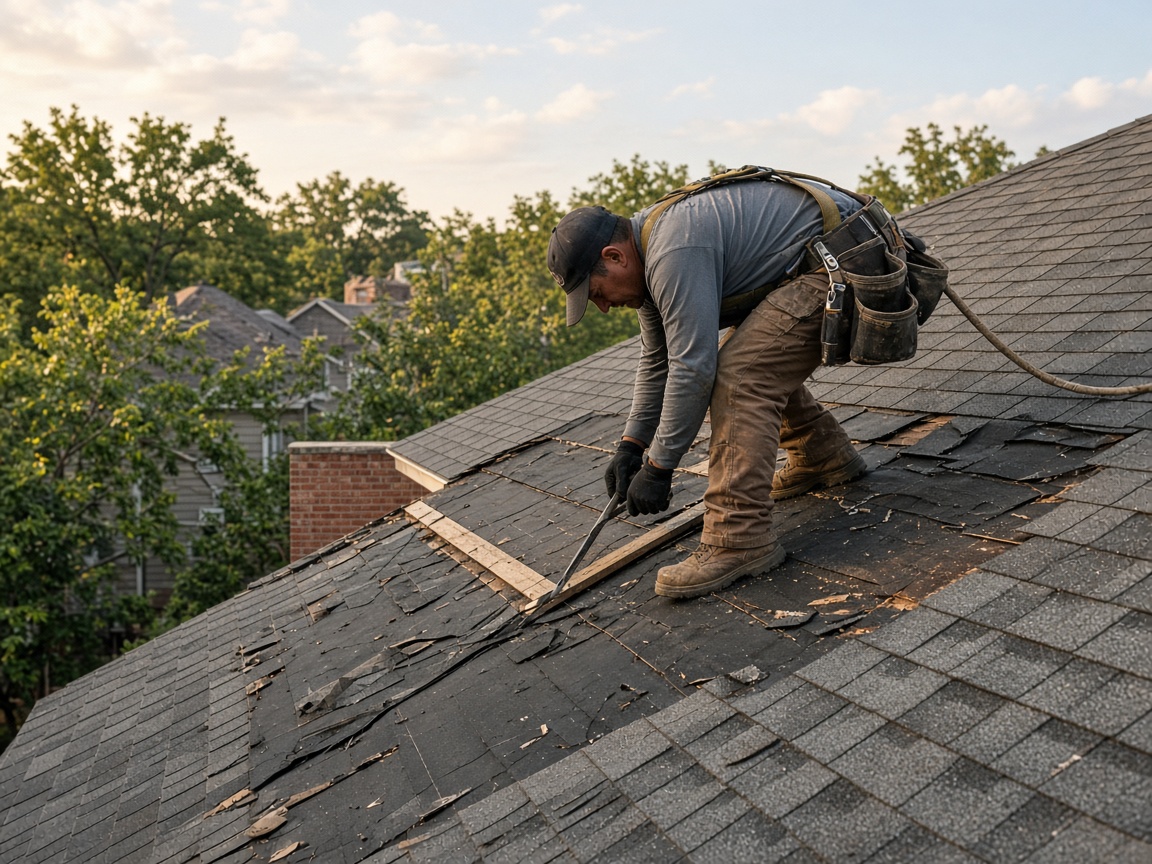
Fort Worth homes in neighborhoods such as Arlington Heights and the Stockyards often date back decades with original asphalt shingle roofs that face accelerated wear from the region's humid subtropical climate. Hot summers push surface temperatures high enough to blister and crack shingles while mild winters still allow occasional freeze-thaw cycles that open seams around flashing. The pros we connect you with inspect decking condition, ventilation adequacy, and underlayment integrity before any replacement begins because many older Tarrant County properties have limited attic airflow that shortens roof life.
Replacement projects in the Cultural District or near TCU Stadium frequently involve removing multiple layers of existing material to meet current wind and uplift standards. Concrete tile or architectural shingles are common choices for the area's mix of historic and mid-century housing stock because they handle thermal expansion better than three-tab products. The pros we connect you with coordinate tear-off timing with weather forecasts since sudden humidity spikes or afternoon storms can delay work on exposed decks.
Edge details around chimneys, skylights, and valleys require extra attention in Fort Worth because soil movement in parts of the city can shift roof planes over time. Proper step flashing and ice-and-water membrane placement at eaves helps prevent leaks that commonly appear after the first heavy spring rain. The pros we connect you with document existing conditions with photos so homeowners see exactly what changes during the project.
Technician insight
In Fort Worth, the thing that catches most people out with Roof Replacement is how quickly heat and poor attic ventilation destroy shingles on older Arlington Heights homes; many owners wait until leaks appear instead of checking ventilation first.
Arlington Heights Roof Replacement
A home near the Cultural District showed widespread shingle blistering and inadequate ridge venting. The pros we connected the owner with removed two layers, replaced damaged decking sections, and installed new architectural shingles with improved airflow. The roof now handles summer heat without premature wear.
How it works
- 1
Initial Assessment
The pros we connect you with visit the property to measure the roof, note existing layers, and check attic ventilation in Fort Worth homes.
- 2
Material Selection
Homeowners review shingle or tile options suited to local heat loads and wind exposure with guidance from the connected providers.
- 3
Permit Coordination
The pros we connect you with handle Tarrant County permit requirements and schedule tear-off around expected weather.
- 4
Installation and Cleanup
Old materials are removed, new underlayment and shingles installed, then debris is hauled away from the site.